What is involved in IVF treatment abroad
A typical IVF cycle has several stages. Not every stage is right for everybody, and your specialist should explain which steps may apply to you.
Depending on your individual treatment plan, this may include:
- ovarian stimulation and monitoring
- egg retrieval
- fertilisation and embryo development in the laboratory, including ICSI where appropriate
- embryo transfer, where appropriate
Some investigations and planning can take place before you travel. The exact mix of appointments in the UK and in Cairo should be set out in your plan before you arrange travel.
The NHS page on IVF gives a general explanation of what IVF involves. Your own plan may differ, and should be discussed with the fertility specialist.
Who IVF abroad may be suitable for
The reasons for fertility difficulties, and the treatments that may be appropriate, vary considerably between individuals and couples. Your age, reproductive and general health, medical history, previous investigations or treatment, and other clinical factors may all need to be considered.
A consultation is an opportunity to understand the investigations and options that may be appropriate for you. It is not a commitment to undergo treatment, and website information cannot determine whether IVF is right for you.
The UK consultation, treatment at El Nada, and aftercare
Your care should start before you travel.
Initial enquiry
You can contact the team by telephone or email with information about the treatment you are considering. The team can give guidance on expected timeframes and appointment availability. Questions can be addressed before you schedule your initial consultation.
Consultation in the UK
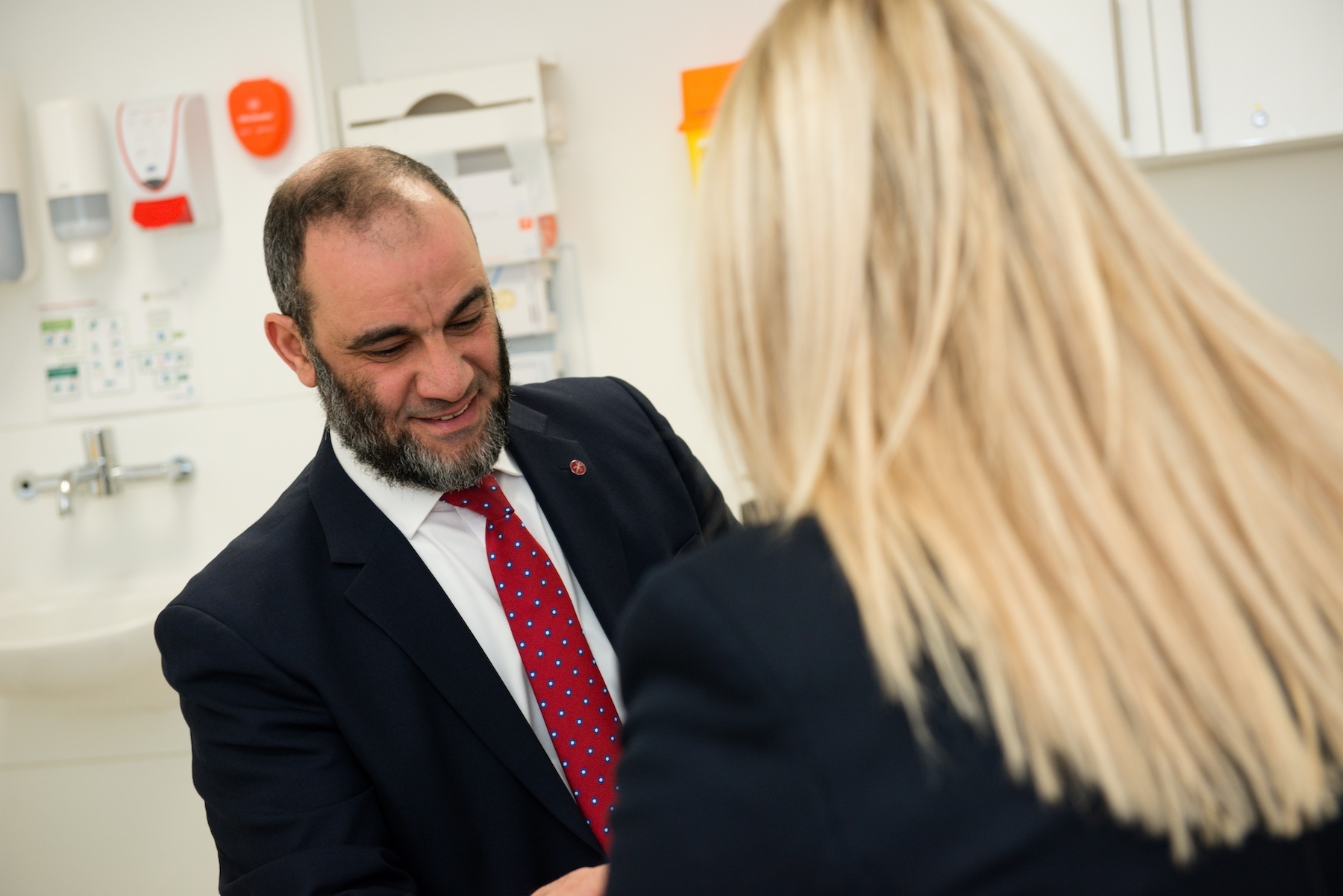
Your in-person consultation is held in North West England with Mr Ahmed Abd El Gawad, a GMC-registered Consultant Plastic Surgeon. The Nile Rose consultation office is at Pall Mall Court, 61 King Street, Manchester.
During this meeting, a medical assessment is carried out and your circumstances are discussed. Mr El Gawad’s role is to coordinate the pathway and help you understand the appropriate next steps. He does not carry out IVF or other fertility procedures himself. A proposed treatment plan can be outlined, including any associated costs. A deposit may be required if treatment is booked.
Making an enquiry or attending this conversation does not commit you to treatment.
Fertility assessment and treatment planning
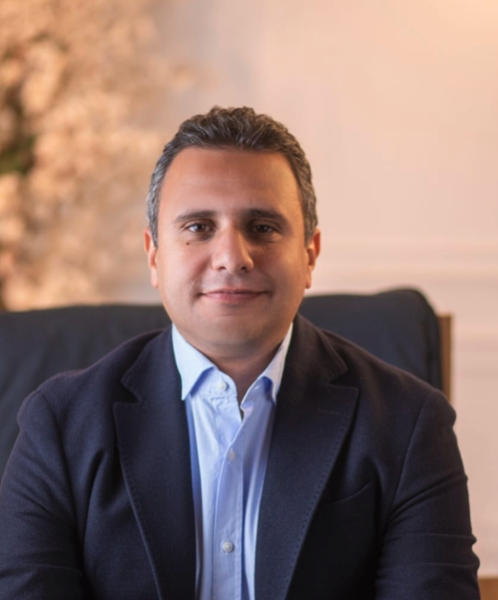
Further fertility assessment and investigations may be required before treatment can be recommended. Your fertility specialist will consider your individual circumstances and explain the treatment options that may be appropriate, together with the stages involved, relevant risks, alternatives and monitoring requirements. The fertility specialist named on this page is Dr Mohammad Ahmed Taymour.
Travel to Cairo
If you choose to proceed, travel arrangements are confirmed. Upon arrival in Cairo, you are transferred to your accommodation and given further details about your admission and procedure. All travel between the airport, clinic and accommodation is organised.
Treatment at El Nada
If you decide to proceed and treatment is considered clinically appropriate, IVF, ICSI and related procedures are carried out at El Nada in Cairo by the clinic’s fertility specialist team, not by Mr El Gawad. The specialist named on this page is Dr Mohammad Ahmed Taymour.
All aspects of the treatment, including aftercare and recovery timelines, should be explained in advance. The details of admission, and whether any hospital stay is needed, depend on your individual treatment plan.
Period in Cairo
During your time in Cairo, nursing support is available as needed. The duration of your stay depends on the nature of your treatment and your recovery progress. It is not the same for everyone. You should only finalise travel once your plan is agreed. Patients are discharged and transferred back to the airport once they are medically fit to travel.
Ongoing aftercare in the UK
Your care continues once you return to the UK. Follow-up appointments are arranged with Mr El Gawad to help monitor your recovery and provide support as the UK-based coordinator.
Your individual treatment plan should also explain the clinical follow-up and monitoring required during and after treatment, together with who you should contact if you have questions or concerns. If any concerns arise, the team remains available to provide further guidance. The Nile Rose continues to help coordinate your pathway following treatment in Cairo.
Planning your trip and time in Cairo
Travelling for IVF treatment abroad requires careful planning around medication, monitoring, treatment timing and follow-up after you return to the UK. These arrangements should be understood before treatment begins.
The Nile Rose can help coordinate the practical arrangements surrounding your visit to Cairo, including travel between the airport, clinic and accommodation. Medical treatment and your suitability for it come first. Flights and accommodation should only be finalised at the appropriate stage of your pathway.
The time you need to spend in Cairo depends on your individual plan and on your recovery progress. Your plan should set this out clearly before you travel. The HFEA also advises people considering fertility treatment abroad to ask how frequently, and at what stages, they would be required to travel. See the HFEA’s guidance on fertility treatment abroad.
You should also check that you have appropriate travel and medical insurance, and understand what is and is not covered. Standard travel insurance does not always cover planned treatment abroad, or complications afterwards. This is general information, not insurance advice. The NHS guidance on going abroad for medical treatment and the GOV.UK advice on planned treatment abroad are useful starting points, together with the NHS treatment abroad checklist.
IVF abroad success rates
It is reasonable to ask about IVF abroad success rates, but figures should be read with care. Fertility treatment does not guarantee pregnancy or a live birth, and a clinic’s published rate cannot tell you your own chance of success. That depends on factors such as age, medical history and the type of treatment being considered.
In the UK, the HFEA publishes comparable success rates for licensed clinics and recommends looking at live births, not only pregnancies. You can read how the HFEA presents this information on its Choose a fertility clinic pages. Clinics abroad are not regulated by the HFEA, and the HFEA cannot help if something goes wrong overseas. Success figures from clinics abroad may be calculated in different ways. For example, they may cover only younger patients, or pregnancies rather than births.
Before you decide, you should be given a realistic discussion of the likelihood of treatment being successful in your particular circumstances. Ask how any figures are calculated, which patients they include, and what the clinic’s approach is to multiple pregnancy, because twin and triplet pregnancies carry extra risks for mother and baby.
The cost of IVF abroad
Cost can be one reason people look into IVF treatment abroad, but it should not be the only consideration. The cost depends on the treatment recommended, your individual circumstances and what is included in your plan.
This page does not publish prices. If a treatment plan is proposed, you should understand what is included, what is not included, and any other costs you may reasonably need to consider before deciding whether to proceed.
A clear written plan should usually set out, as a minimum:
- consultations and investigations
- fertility medicines
- monitoring, egg collection, fertilisation (including ICSI if used) and embryo transfer
- embryo storage, if it is being offered, and for how long
- follow-up
- what would cost extra if a further cycle, a frozen embryo transfer, or additional procedures were needed
You should also budget separately for travel, accommodation, insurance and time away from work. Be cautious of unusually low advertised prices that leave out medicines, tests or essential stages of treatment.
Understanding the risks
Fertility treatments can involve potential risks and side effects, which vary according to the treatment undertaken and the medicines or procedures involved.
Depending upon the treatment, these can include side effects from fertility medicines, ovarian hyperstimulation syndrome (OHSS), multiple pregnancy, ectopic pregnancy and risks associated with egg collection or other procedures.
Your specialist should discuss the risks relevant to your individual treatment, as well as reasonable alternatives and the likelihood of treatment being successful in your particular circumstances.
Travelling overseas for fertility treatment also requires careful planning around medication, monitoring, treatment timing and appropriate follow-up after you return to the UK. These arrangements should be understood before treatment begins.
The HFEA notes that, in the UK, most women are usually treated with a single embryo transfer, to reduce the risk of a multiple pregnancy. Not every country takes the same approach. You should ask about the clinic’s multiple-pregnancy rate and its embryo-transfer policy before you decide. This is explained in the HFEA’s guidance on fertility treatment abroad.
Frequently asked questions
How do I plan IVF abroad?
Start with a consultation and clinical assessment, not with booking travel. Your UK consultation is with Mr El Gawad. If treatment may be appropriate, you should receive a plan that covers the stages involved, medicines and monitoring, who will treat you, where treatment will take place, the relevant risks, follow-up after you return to the UK, and what is and is not included in the cost. The Nile Rose can then help coordinate the practical arrangements for treatment at El Nada in Cairo.
How long does IVF abroad take?
An IVF cycle involves several stages, and the time you need to spend in Cairo depends on your individual plan and on your recovery progress. It is not the same for everyone. Your plan should set this out clearly before you finalise travel. Patients are transferred back to the airport once they are medically fit to travel. The HFEA also suggests asking how frequently, and at what stages, you would be required to travel.
What should I look for in IVF clinics abroad?
Look for clear information about the doctor who will treat you, the facility, how the clinic is regulated in that country, how success figures are calculated, the clinic’s approach to multiple pregnancy, what happens to any stored embryos, and what follow-up is available when you return home. The HFEA cannot regulate clinics outside the UK, and it cannot help if something goes wrong overseas. Treatment arranged through The Nile Rose takes place at El Nada in Cairo. The fertility specialist named on this page is Dr Mohammad Ahmed Taymour. The HFEA’s guidance on fertility treatment abroad and its Choose a fertility clinic pages set out useful questions, even though they cannot assess a clinic outside the UK.
What is the cost of IVF abroad?
There is no single price, because it depends on the treatment you need and what is included. Ask for a written plan that shows consultations, medicines, procedures, storage, follow-up and any likely extras, and remember travel, accommodation and insurance. The Nile Rose does not publish a price on this page.
Can I have IVF in Egypt as a UK patient?
Yes, UK patients can be considered for IVF or ICSI in Egypt through The Nile Rose, subject to individual clinical assessment and informed consent. The pathway starts with a UK consultation with Mr El Gawad. Treatment, if appropriate, is carried out at El Nada in Cairo by the fertility specialist team. The Nile Rose helps coordinate follow-up after you return.
Does fertility treatment guarantee a pregnancy?
No. As this page already states, fertility treatment does not guarantee pregnancy or a live birth, and the likelihood of success varies between individuals.
Further information
The following official resources are provided to help you make an informed decision. They are general information, not a substitute for individual clinical advice, and they do not mean that treatment at El Nada is regulated by the HFEA or provided by the NHS.
 0161 5318687
 Email
 Address