What surgery involves, and recovery
Bariatric surgery is a major operation, not a quick fix. If a gastric sleeve or gastric bypass is recommended, your specialist should explain how the operation is carried out, the expected stay, the diet you will need to follow afterwards, and the longer-term changes involved, including lifelong vitamin and nutritional follow-up for many patients.
A gastric balloon is not surgery, but it still requires individual assessment and is not suitable for everybody.
Some procedures may require an overnight stay in hospital, depending on the type and extent of the surgery. All aspects of the procedure, including post-operative care and recovery timelines, should be explained in advance.
Recovery is individual. During your recovery in Cairo, nursing support is available as needed. The duration of your stay depends on the nature of your surgery and your recovery progress. Patients are discharged and transferred back to the airport once they are medically fit to travel.
Your treatment plan should explain expected recovery, dietary guidance and follow-up arrangements, including who to contact if you have concerns after treatment. Travelling overseas also means planning for travel during recovery and for access to appropriate care if a complication arises.
The NHS page on weight loss surgery gives general information about the main types of surgery, recovery and complications. Your own plan may differ, and should be discussed with the bariatric specialist.
Who weight loss surgery may be suitable for
Bariatric treatment is not appropriate for everybody, and the suitability of a particular procedure cannot be determined from website information alone. Your general health, medical history, previous approaches to weight management and other individual circumstances need to be considered by an appropriately qualified healthcare professional.
In the UK, NICE guidance for the NHS sets out when adults may be offered a referral for assessment for bariatric surgery. In general terms, that includes a body mass index (BMI) of 40 kg/m² or more, or a BMI of 35 kg/m² to 39.9 kg/m² with a significant health condition that could improve with weight loss. A lower BMI threshold (reduced by 2.5 kg/m²) is used for people of South Asian, Chinese, other Asian, Middle Eastern, Black African or African-Caribbean family background. There are also more specific considerations for some people with recent-onset type 2 diabetes. The NHS gives a short public summary on why weight loss surgery is done.
This is general information about UK guidance, not a promise that anyone meeting a BMI figure will be offered or accepted for surgery, and not a description of NHS treatment through The Nile Rose. Private treatment still depends on individual clinical assessment. NICE also expects people to agree to the long-term follow-up that surgery involves, such as lifelong reviews. The current guidance is NICE NG246, medicines and surgery.
A consultation is an opportunity to understand the available options and ask questions. It is not a commitment to undergo treatment.
The UK consultation, treatment at El Nada, and aftercare
Your care should start before you travel.
Initial enquiry
You can contact the team by telephone or email with information about the procedure you are considering. The team can give guidance on expected timeframes and appointment availability. Questions can be addressed before you schedule your initial consultation.
Consultation in the UK
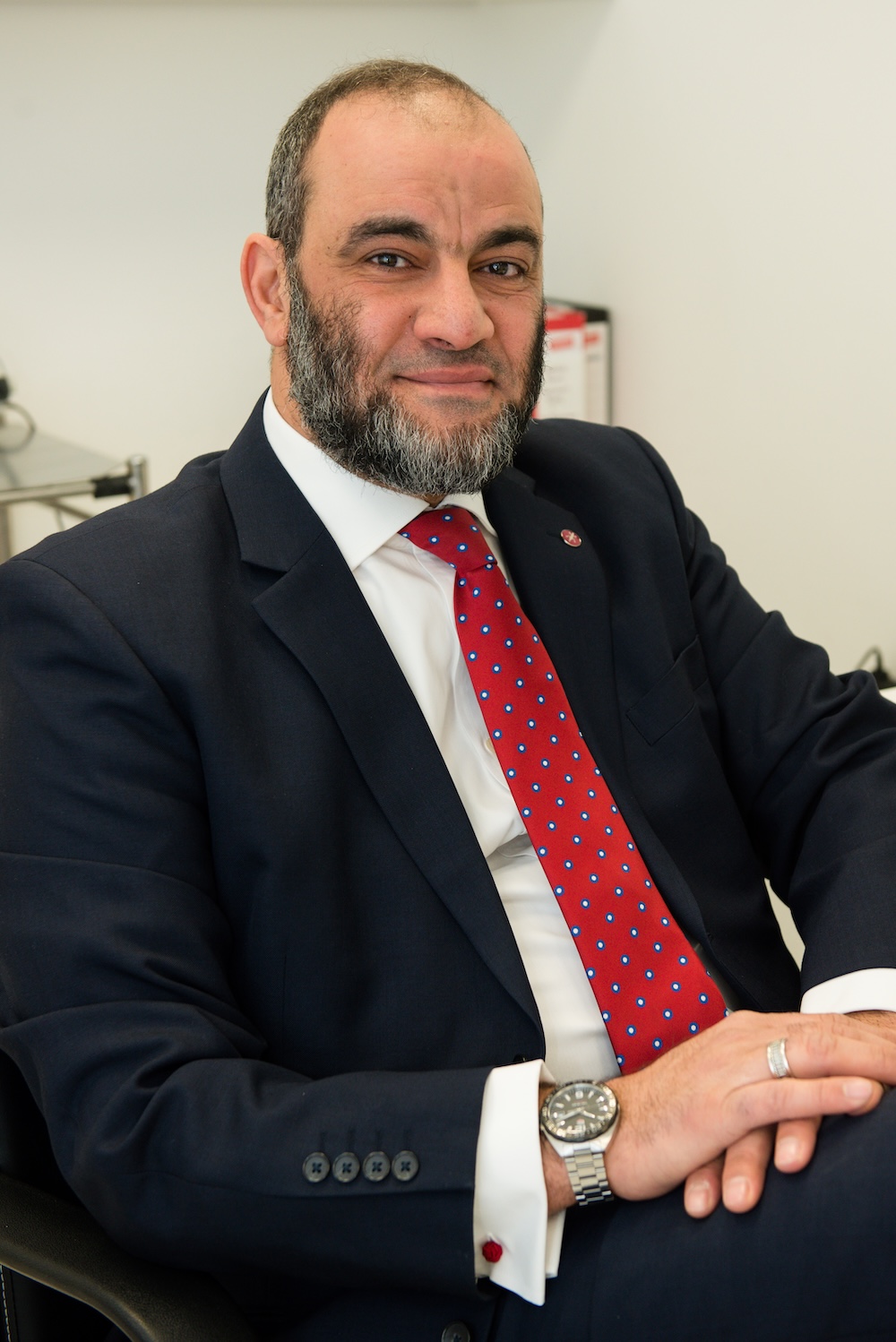
Your in-person consultation is held in North West England with Mr Ahmed Abd El Gawad, a GMC-registered Consultant Plastic Surgeon. The Nile Rose consultation office is at Pall Mall Court, 61 King Street, Manchester.
During this meeting, a medical assessment is carried out and your suitability for treatment is discussed. Mr El Gawad’s role is to coordinate the pathway and help you understand the appropriate next steps. He is a Consultant Plastic Surgeon; he does not carry out gastric sleeve, gastric bypass or gastric balloon procedures himself. Clinical and surgical assessment for those procedures is with the bariatric team in Cairo. A proposed treatment plan can be outlined, including any associated costs. A deposit may be required if treatment is booked.
Making an enquiry or attending this conversation does not commit you to treatment.
Treatment planning
If bariatric treatment is considered appropriate, you should receive information about the proposed procedure, alternatives, relevant risks, expected recovery and the longer-term changes associated with treatment.
Travel to Cairo
If you choose to proceed, travel arrangements are confirmed. Upon arrival in Cairo, you are transferred to your accommodation and given further details about your hospital admission and procedure. All travel between the airport, clinic and accommodation is organised.
Treatment at El Nada
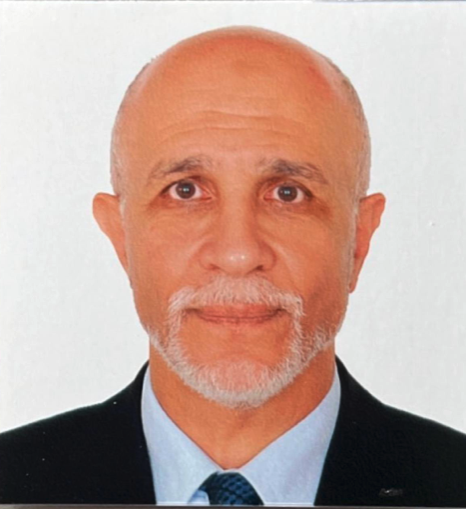
Where you decide to proceed, The Nile Rose can help coordinate the practical arrangements surrounding your treatment in Cairo. Bariatric surgery and related procedures are carried out at El Nada by the clinic’s specialist team, not by Mr El Gawad. The named bariatric surgeon on this page is Professor Ibrahim Galal. Dr Amr Abdel-Monem provides therapeutic nutrition and obesity-management expertise, including nutritional care surrounding surgery.
Some procedures may require an overnight stay in hospital, depending on the type and extent of the surgery. All aspects of the procedure, including post-operative care and recovery timelines, should be explained in advance.
Period in Cairo
During your recovery in Cairo, nursing support is available as needed. The duration of your stay depends on the nature of your surgery and your recovery progress. It is not the same for everyone. You should only finalise travel once treatment has been agreed and you understand the recovery and travel advice you have been given. Patients are discharged and transferred back to the airport once they are medically fit to travel.
Ongoing aftercare in the UK
Your post-operative care continues once you return to the UK. Follow-up appointments are arranged with Mr El Gawad to help monitor your recovery and provide support as the UK-based coordinator.
Your individual treatment plan should also explain your expected recovery, dietary guidance and clinical follow-up arrangements, including who to contact if you experience concerns following treatment. If any concerns arise, the team remains available to provide further guidance.
Planning your trip and time in Cairo
If you go ahead, you will need time in Cairo for the operation, early recovery and the first stage of dietary guidance, then a plan for follow-up once you are home. Flights and accommodation should only be finalised once treatment has been agreed and you understand the recovery and travel advice you have been given.
The Nile Rose can assist with practical travel arrangements associated with your treatment, including travel between the airport, clinic and accommodation. The medical decision comes first.
The duration of your stay in Cairo depends on the nature of your surgery and your recovery progress. You will be transferred back to the airport once you are medically fit to travel.
You should also check that you have appropriate insurance and understand what is and is not covered, including complications after you return to the UK. Standard travel insurance does not always cover planned treatment abroad, or complications afterwards. This is general information, not insurance advice.
The NHS and UK professional bodies advise people considering surgery abroad to think carefully about aftercare and about what happens if a complication arises once they are home. Useful official starting points include the NHS guidance on going abroad for medical treatment, the NHS treatment abroad checklist, the GOV.UK advice on planned treatment abroad, and the NHS and BAPRAS advice on cosmetic surgery abroad and surgery abroad. Those last two pages are written mainly about cosmetic surgery, but the points they make about follow-up, insurance and complications after you return home also apply to surgery abroad more generally.
The cost of gastric sleeve and weight loss surgery abroad
Cost can be one reason people look into gastric sleeve surgery abroad, but it should not be the only consideration. The cost depends on the procedure recommended, your individual circumstances and what is included in your treatment plan.
This page does not publish prices. If a plan is proposed, you should understand what is included, what is not included, and any other costs you may reasonably need to consider.
A clear written plan should usually set out, as a minimum:
- consultations and pre-operative assessment
- the operation or balloon procedure itself
- hospital stay
- nutritional support
- follow-up
- what would cost extra if a complication, a longer stay, or further treatment were needed
Travel, accommodation, insurance and time away from work should be budgeted for separately. Be cautious of prices that are hard to compare because they leave out assessment, aftercare or the hospital stay.
Understanding the risks
Bariatric procedures carry potential risks and complications.
Depending upon the treatment, these can include bleeding, infection, blood clots, complications associated with anaesthesia, leakage following gastrointestinal surgery, nutritional deficiencies and the possibility of further treatment or surgery.
Different procedures have different risks and longer-term considerations. Your individual risks, alternatives to treatment and expected follow-up should be discussed with your specialist before you decide whether to proceed.
Travelling overseas for treatment introduces additional practical considerations, including travel during recovery and accessing appropriate care should a complication arise. These should form part of your treatment planning.
The NHS also publishes a summary of possible complications after weight loss surgery. This is general information and does not replace a discussion of the risks that apply to you.
Frequently asked questions
What is gastric sleeve surgery abroad?
A gastric sleeve, or sleeve gastrectomy, reduces the size of the stomach. If it is recommended after assessment, UK patients treated through The Nile Rose have the operation at El Nada in Cairo, with a UK consultation and coordinated follow-up as part of the pathway. The operation is carried out by the clinic’s specialist bariatric team. It is major surgery, with risks, and no particular amount of weight loss can be guaranteed.
Is gastric bypass also available?
Yes. Gastric bypass and gastric balloon are also listed as options on this page, subject to individual clinical assessment. The appropriate treatment, if any, depends on your circumstances.
Is weight loss surgery in Turkey safe?
Many UK patients look at Turkey when they consider weight loss surgery abroad, and it is reasonable to ask about safety. Safety depends on the individual surgeon, the hospital, the quality of assessment, and the aftercare available when you return home — not on the country name alone. The Nile Rose does not treat in Turkey. Treatment arranged through The Nile Rose takes place at El Nada in Cairo, and the pathway is designed to start with a UK consultation and to include follow-up after you return. Wherever you consider going, you should know who will operate, where the operation will take place, what happens if there is a complication, and how you will be followed up in the UK.
Am I eligible for a gastric sleeve?
Suitability cannot be decided from a website. In general terms, UK NICE guidance describes when the NHS may refer someone for assessment for bariatric surgery, including BMI thresholds, but meeting a figure does not mean surgery will be recommended. A consultation with Mr El Gawad is the right place to discuss your health, history and options. It is not a commitment to treatment.
How should I assess gastric sleeve abroad reviews and providers?
Personal stories can be helpful, but they cannot promise the same result for you. Look for a named surgeon, a named facility, a clear discussion of risks, a written plan for recovery and UK follow-up, and a quote that states what is included. Some of our patients have shared their experiences on the Patient experiences page; those accounts are personal to them and should not be taken as an indication of the outcome another patient may experience.
How much is a gastric sleeve abroad?
There is no single price, because it depends on the procedure and what is included. Ask for a written plan covering assessment, surgery or balloon treatment, hospital stay, nutrition support, follow-up and likely extras, and remember travel, accommodation and insurance. This page does not publish a price.
Further information
The following official resources are provided to help you make an informed decision. They are general information, not a substitute for individual clinical advice, and they do not mean that treatment at El Nada is an NHS service or is carried out under NICE’s referral rules.
 0161 5318687
 Email
 Address